The arcade makes a compact vocabulary visible
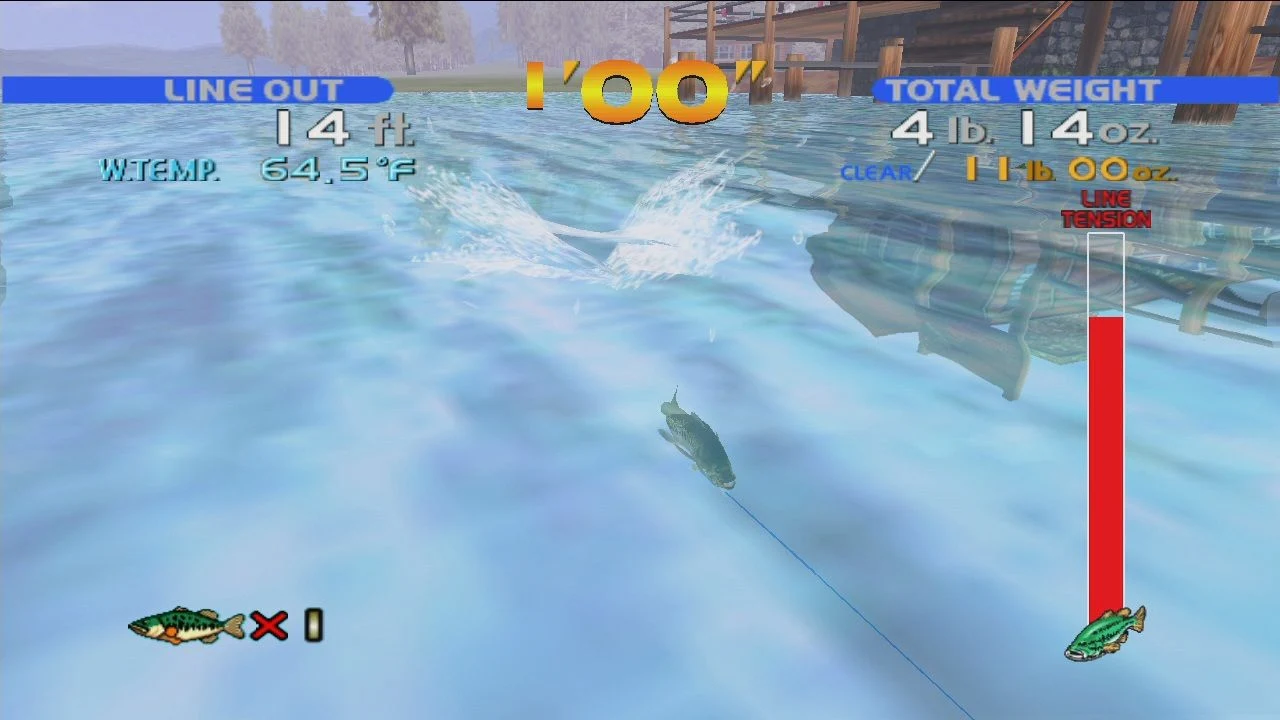
SEGA Bass Fishing presents a limited lure selection with depth-oriented roles. Its manual organises choices around where the lure works and explains rod movement alongside reeling. The smaller menu helps a player connect a visible action with the underwater presentation quickly. It is a vocabulary designed for a short loop, not an attempt to reproduce every equipment decision before the cast.
Fishing Planet connects the choice to equipment
In Fishing Planet, lure selection belongs to a wider arrangement involving rod, reel, line and the intended method. A lure cannot be evaluated solely by how attractive it looks in isolation. Suitability and compatibility form part of the choice. That additional context can be enjoyable for a player who wants to understand a system, but it also means an unfamiliar item may need more explanation before the first meaningful comparison.
An illustrative comparison
Suppose you want to explore a deeper-looking presentation. In an arcade session, the relevant question may be which available lure category communicates that role and how its action looks. In Fishing Planet, you also have to check the selected lure against your equipment and planned waterway. Neither question is fake. They simply operate at different scales: immediate presentation versus preparation plus presentation.
Keep controls tied to the edition
SEGA’s PC manual and its older Dreamcast instructions do not use identical button language. Even within a comparison about arcade design, label which version provides a control example. Do the same for Fishing Planet’s PC, console and mobile versions. A broadly similar cast-and-retrieve idea does not make exact controls interchangeable across devices.
What to compare in a guide
A good side-by-side page shows the size of the decision: choose a lure role, assemble a compatible outfit, then inspect the action. It should not pad the comparison with an invented list of equipment or claim that the game with more menu entries always gives the better result. An illustrative comparison table can therefore use rows for lure role, compatible equipment and control input. Leave out a numerical difficulty score: it would conceal the different questions rather than explain how the two games organise them.